
Corporate
Americas
United States & Canada
México
America Latina
Brasil
Oceania
Australia
New Zealand
Europe
Asia
India
Indonesia
Malaysia
Philippines
Singapore
Thailand
Vietnam
日本
中国
대한민국
台湾
Other Countries
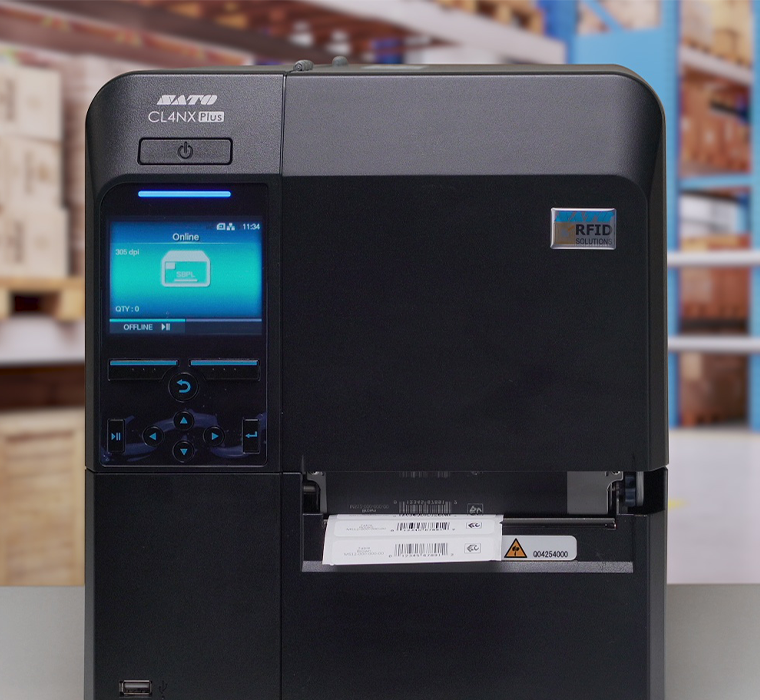
Lack of real-time visibility between supplier deliveries and kitchen preparation, increasing risk of using incorrect or expired ingredients
High exposure to allergen mislabelling and cross-contamination, especially in fast-paced environments
Manual HACCP tracking leading to inconsistent records and audit failures
Challenges
Manual labelling during food preparation leading to errors
Limited visibility between supplier deliveries and kitchen operations
High risk of cross-contamination and allergen mismanagement
Delivery delays have affected production schedules
Time pressure in kitchen environments reducing compliance accuracy

Industries
How it applies
What’s different
Key risks / requirements
Example use case
Benefits
- Full ingredient-to-plate traceability ensuring food safety compliance
- Accurate allergen and expiry management at preparation level
- Faster audit readiness with digital records
- Reduction in food waste through better stock rotation
- Improved supplier accountability and transparency
Related Solutions




SATO support starts here
SATO strives to be the most trusted Auto-ID solution provider worldwide, bringing cutting edge labeling and tagging solutions to customers across diverse markets including manufacturing, logistics, retail, food & beverage and healthcare.